

Beard Care Guide · Beard Oil Basics
What Is Beard Oil, and Should I Be Using It?
A beard looks good and does a job (a bit of UV protection, a natural filter against dust and pollen), but it comes with upkeep. The usual complaints are itch, flaking and dry skin underneath. Beard oil is the single product that does the most to sort all three. Here's what it actually is, what's in a good one, and how to use it.
What is beard oil?
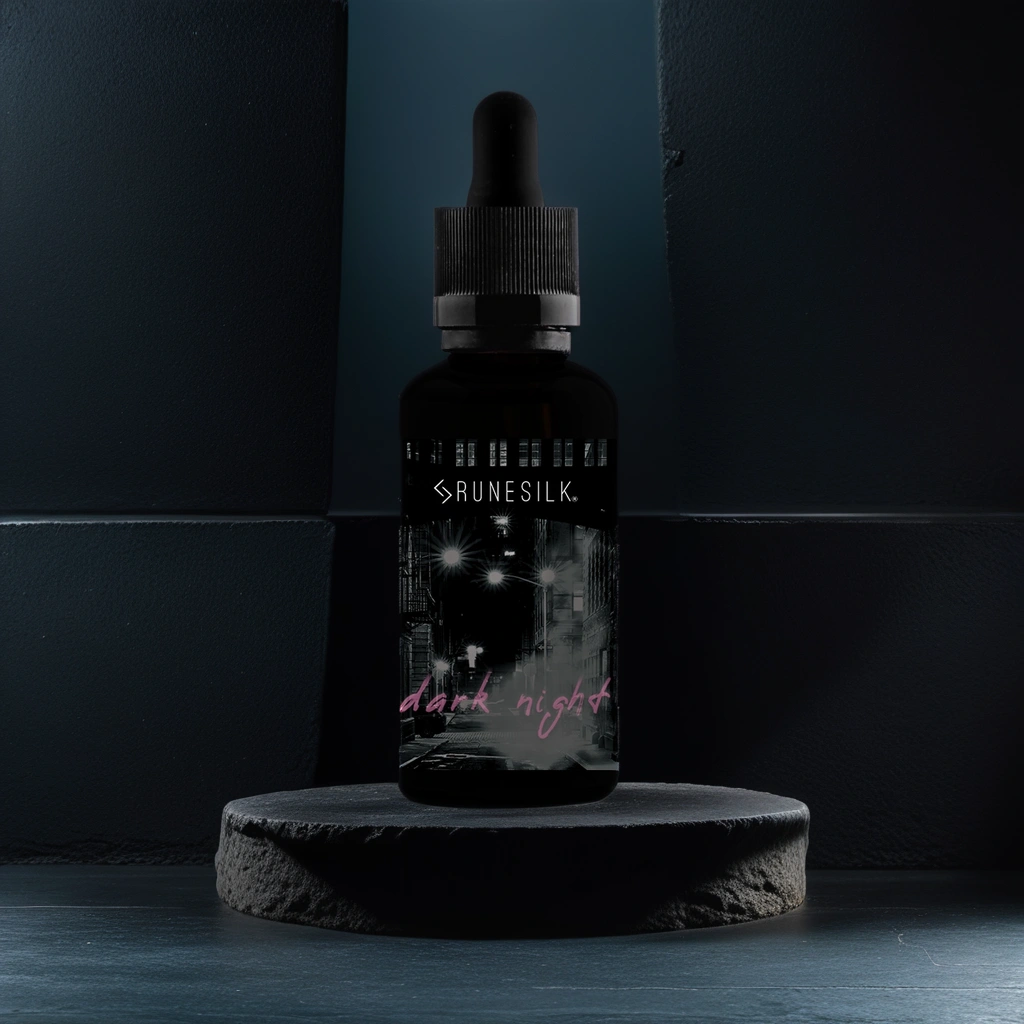
Beard oil is a blend of carrier oils and (usually) essential oils, designed to moisturise and condition the beard and the skin underneath, keep facial hair healthy, and tackle the common problems of itch and dryness. A good one also smells great. That's really it: it's a leave-in conditioner for your beard and the skin it grows from.
What's in a good beard oil
The magic isn't any single ingredient, it's the blend. These are the carrier oils we use and what each one brings:
- Jojoba (Simmondsia Chinensis): closely mirrors the skin's own oils, moisturises the hair and rejuvenates the skin beneath.
- Argan (Argania Spinosa): adds a healthy sheen, supports the look of volume and density, and nourishes the skin underneath.
- Grapeseed (Vitis Vinifera): helps lock in moisture and keeps the beard manageable.
- Borage (Borago Officinalis): rich in gamma-linolenic acid, it soothes the skin under the beard, calming redness and irritation while supporting each hair.
- Sea Buckthorn (Hippophae Rhamnoides): packed with vitamins, minerals and antioxidants; revitalises the skin, supports elasticity and adds shine.
- Sweet Almond (Prunus Amygdalus Dulcis): rich in vitamins E and K, a natural emollient that softens and conditions, especially good for thick, unruly beards.
- Sunflower (Helianthus Annuus) with Vitamin E: rich in omega lipids and vitamins, it helps guard against split ends and keeps the hair flexible and hydrated.
Do you actually need beard oil?
Honest answer: no, you don't need it to grow a beard. Your beard will grow fine without it. But it makes a real difference to beard health and comfort, easing itch, flaking and unmanageability, and leaving the beard softer and easier to handle. Most people who try a good one don't go back.
How to use beard oil
It's simple. After washing, put a few drops of oil into your palm, rub your hands together to warm it, then work it through the beard with a sweeping motion so every hair gets some. A palm-over-palm technique helps guide the beard into a downward style. Follow with a brush or comb to distribute it evenly and lift away loose skin. There's no single correct tool: a comb, a normal brush or a boar bristle brush all work, whatever you prefer.
Start with less than you think you need, especially on a shorter beard. You can always add more.
Common questions, answered honestly
Is beard oil only for long beards?
No. Even in the early stages of growth, oil soothes the skin and supports healthy hair. Shorter beards benefit from softened, less scratchy stubble, just use a lot less.
Does beard oil make your beard grow faster?
No, and be very wary of anything that claims it does. Beard oil conditions and improves the health and appearance of the hair you already have, but it does not speed up growth. "Beard growth oils" that promise faster growth are, frankly, a con: a way to take money from people hoping for the impossible. Genetics and time grow a beard, not a magic bottle.
Do you have to use it every day?
It depends on your beard and your environment. For most people, daily use keeps the beard at its best, but there are no hard rules. Adjust to what your beard needs.
Do all beard oils smell strong?
No. Scent strength varies a lot between brands. RUNESILK offers subtly scented options as well as unscented ones, so there's something to suit every preference.
Can beard oil replace beard balm?
They do different jobs. Oil mainly nourishes the skin and hair; balm adds styling hold. For fuller care, many people use both, or reach for a beard butter for richer moisture with a little light hold. Oil and balm work together rather than replacing each other.
Does beard oil cause acne?
A common worry, but a good-quality beard oil is designed to be non-comedogenic, meaning it conditions without clogging pores. Cheap, low-quality oils are a different story, which is another reason ingredients matter.
Is beard oil suitable for sensitive skin?
Generally yes, especially oils made with natural ingredients. If you're particularly sensitive to essential oils, try an unscented option and see how you get on. As with any new product, patch test first.
Ready to try one? Grab a free sample or explore the full RUNESILK beard oil collection.